


About Us
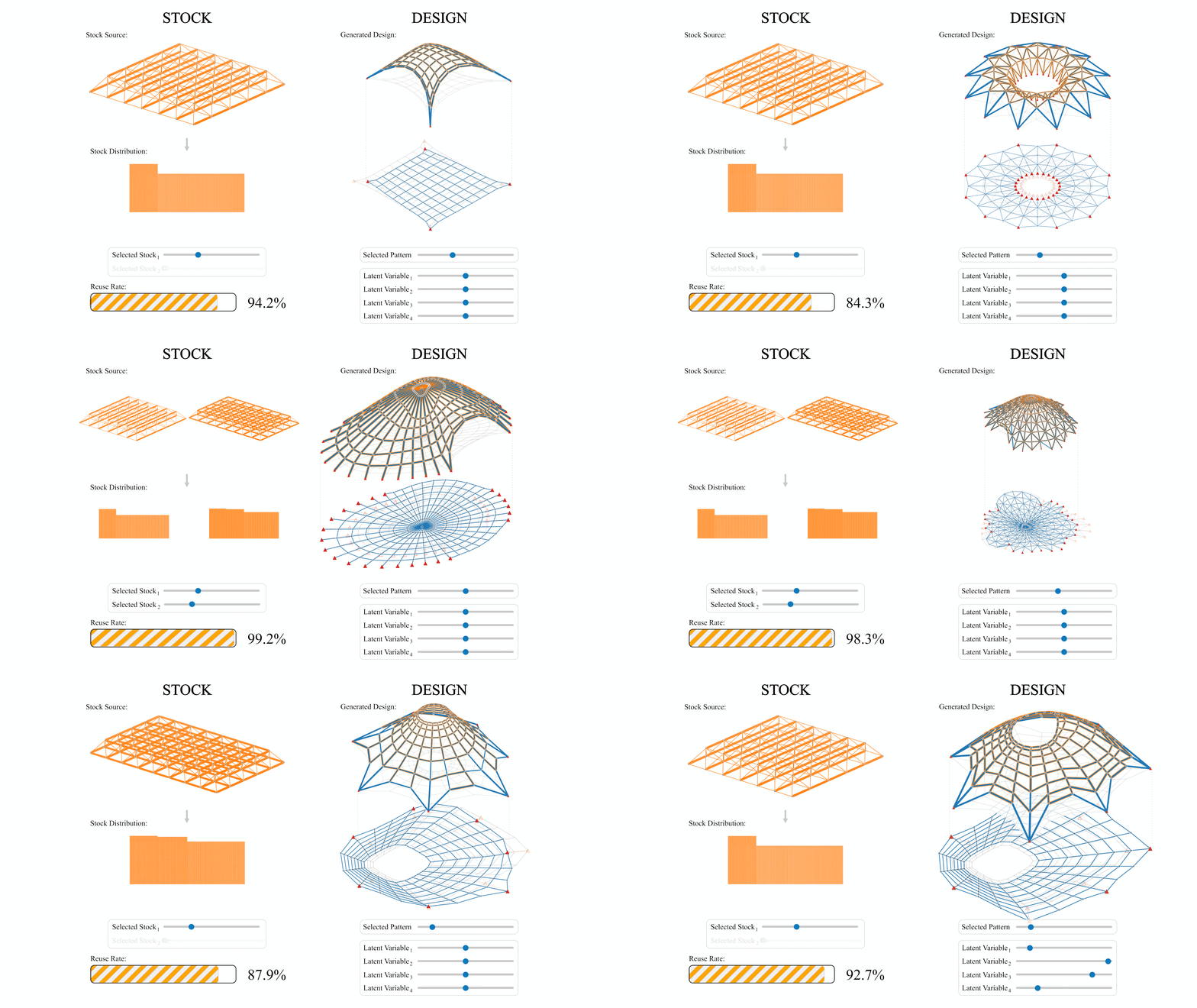
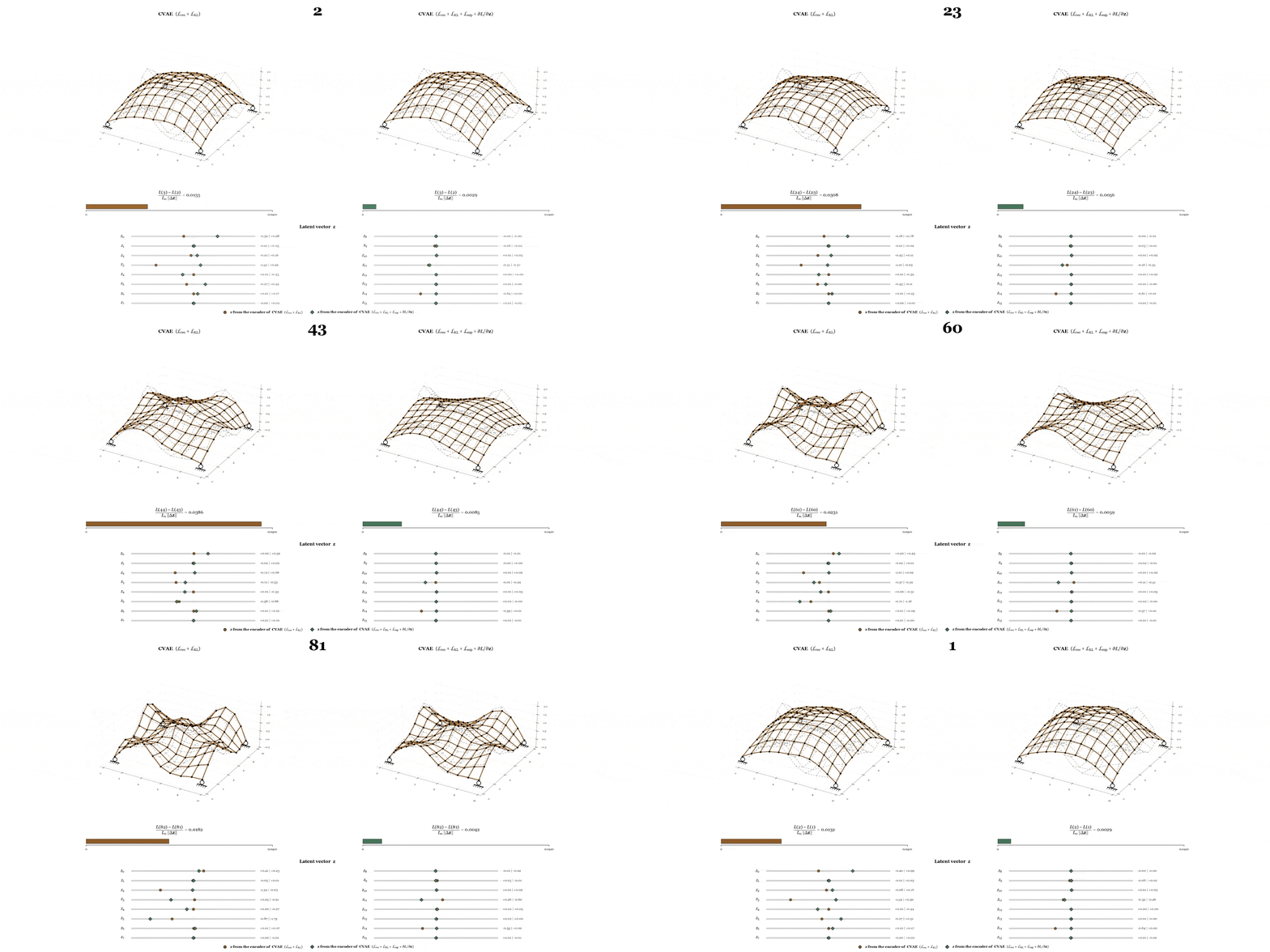
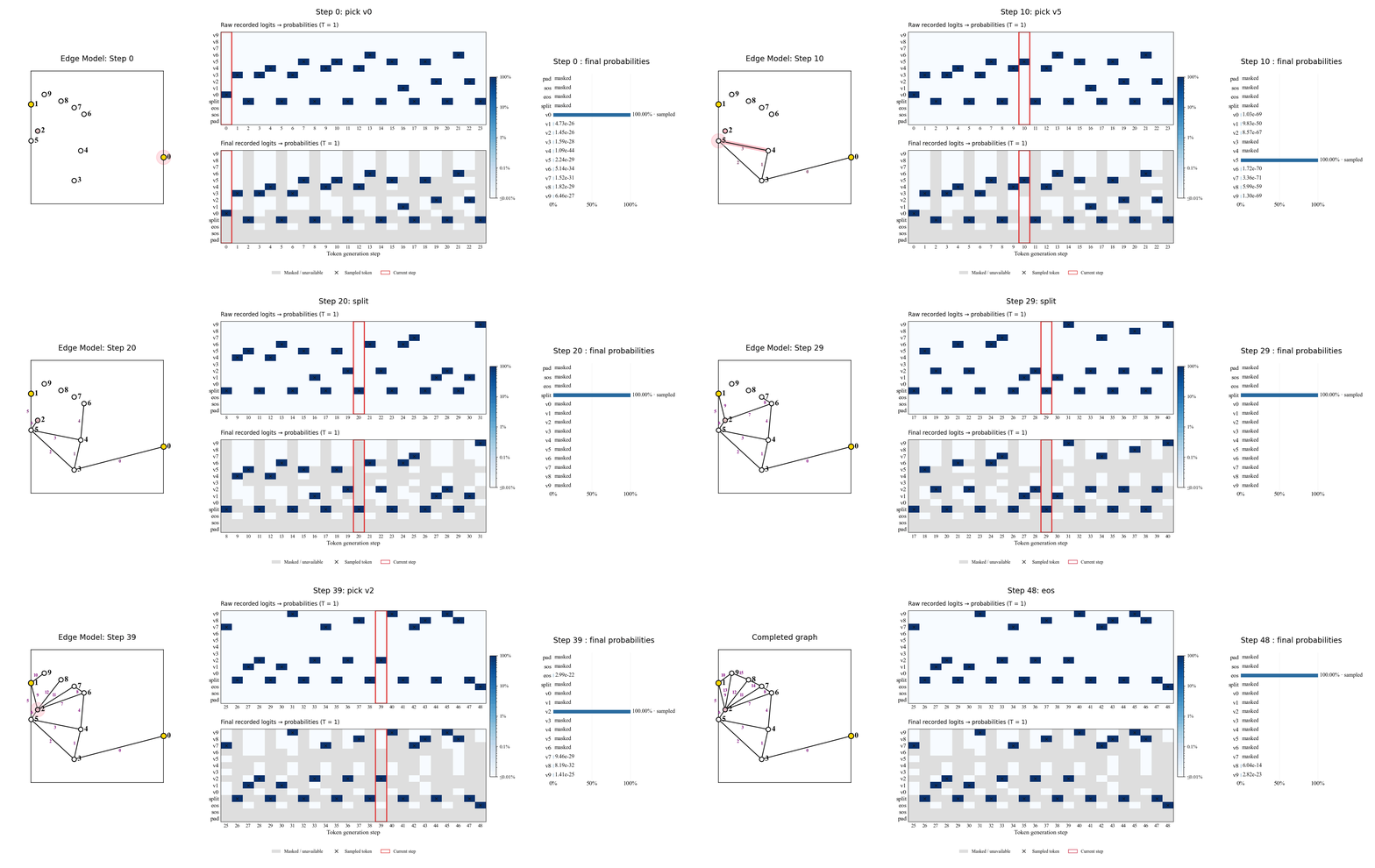
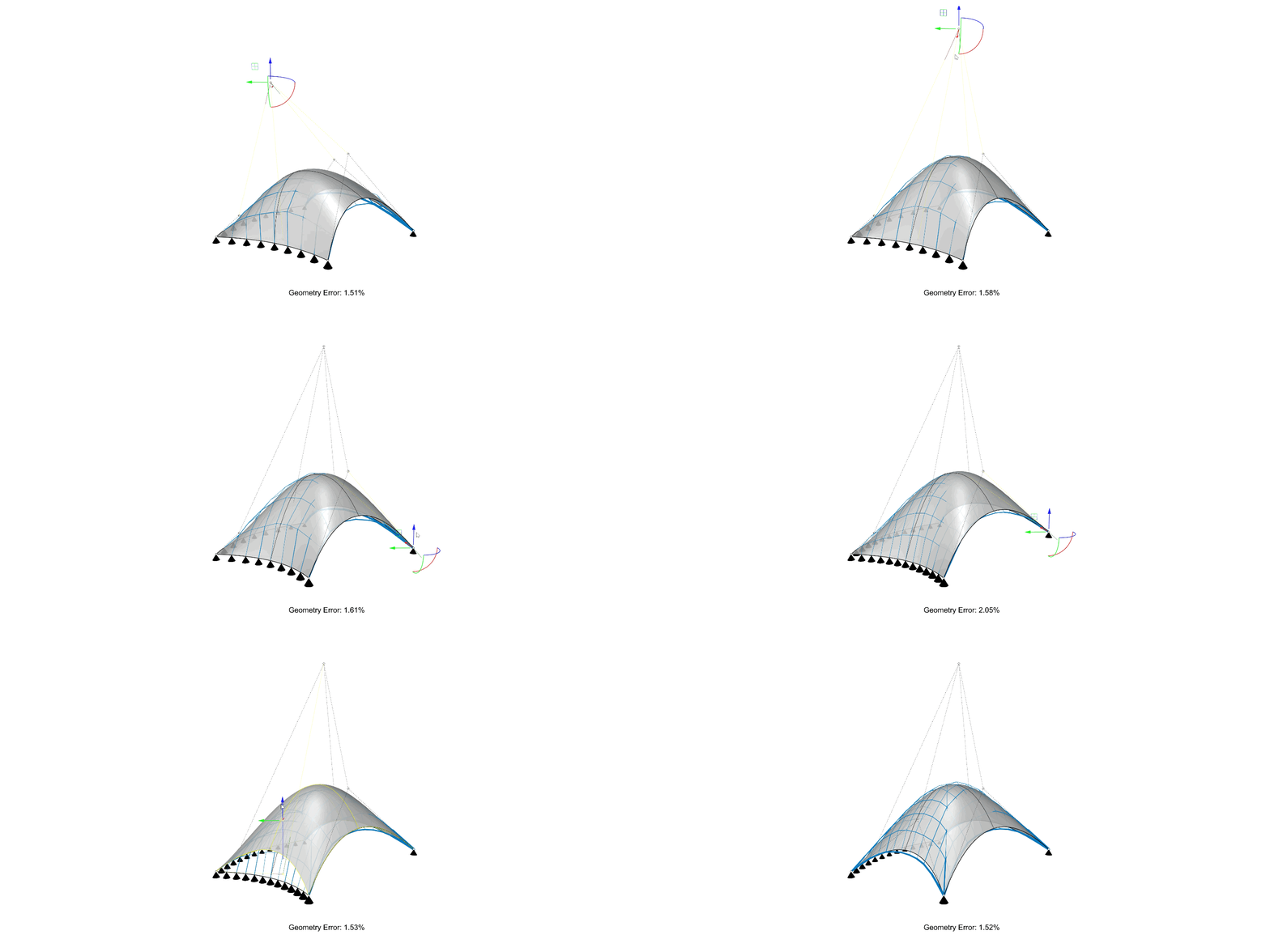
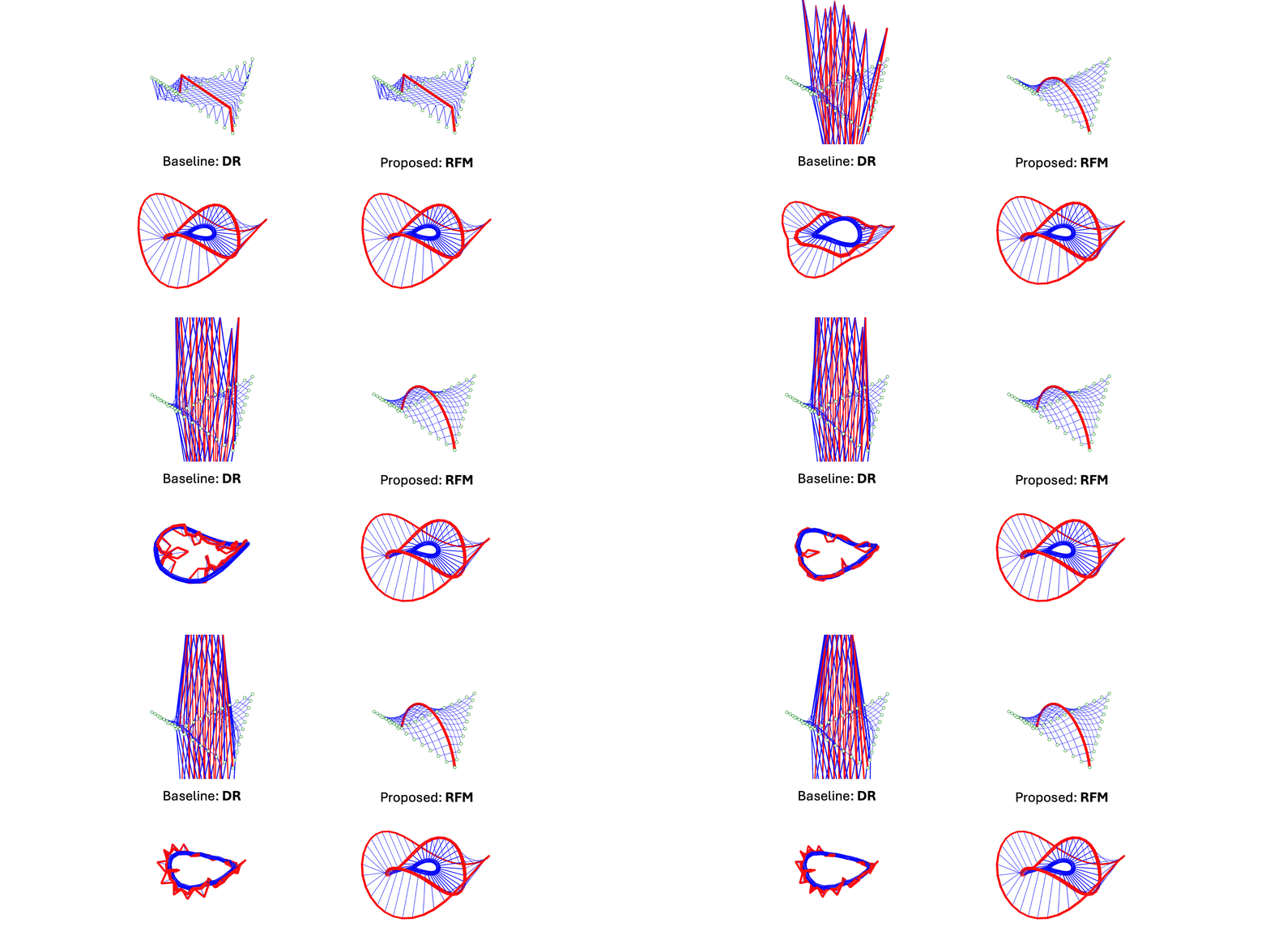
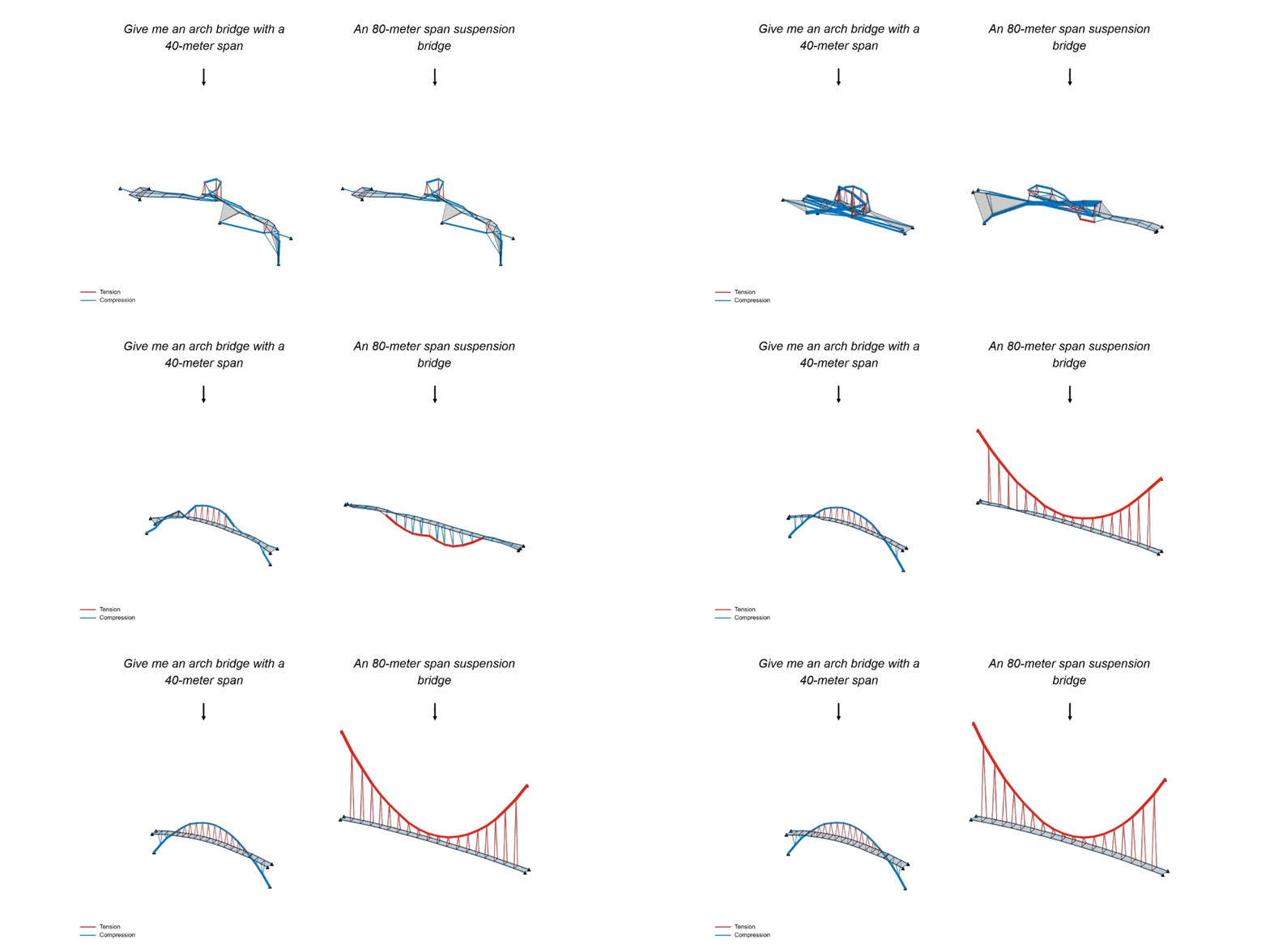
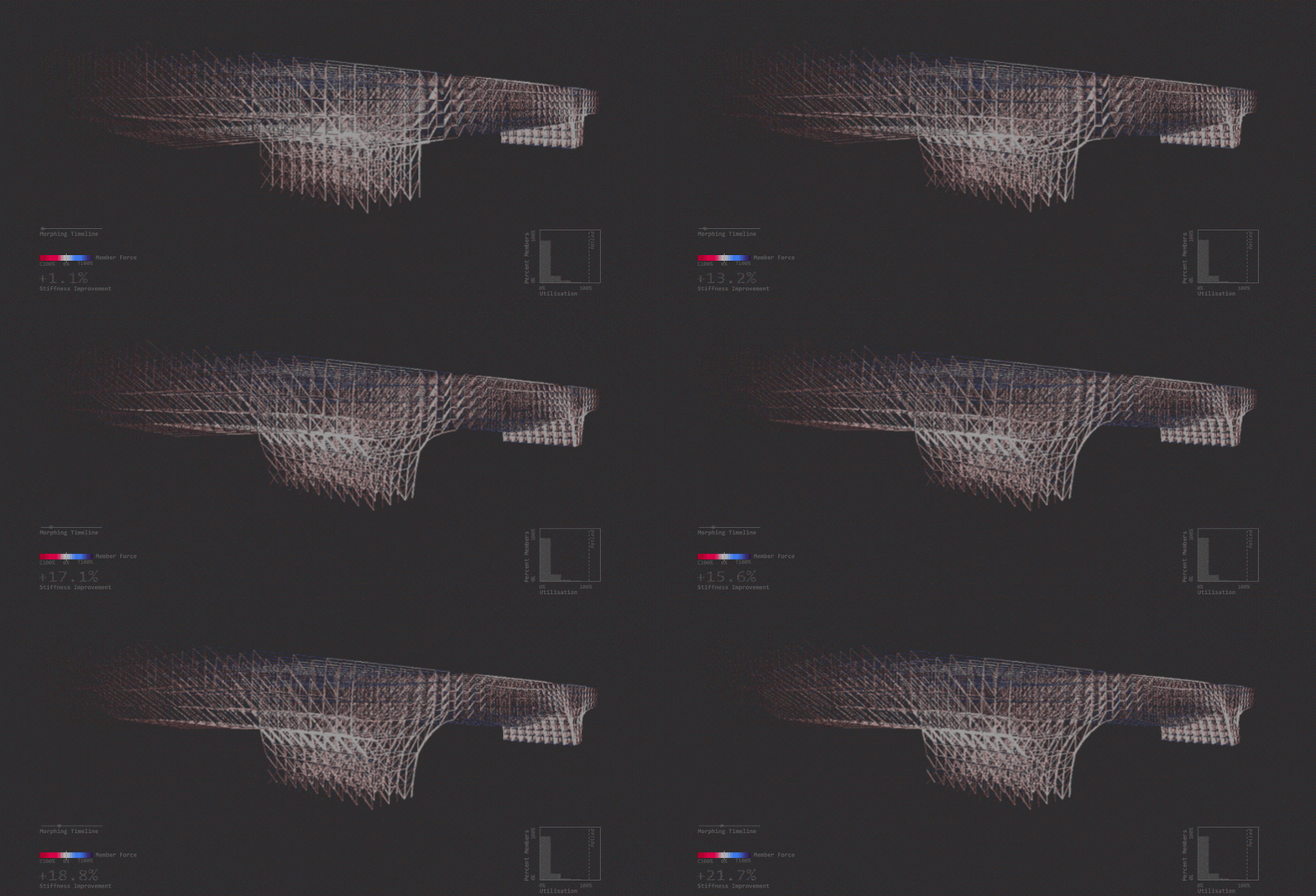
StructurAI develops graph-based machine learning (ML) representations of structural and building systems to help designers better explore equilibrium design solutions and model broader building physics. Two methods are central: gradients and grammars, which offer complementary ways of embedding engineering knowledge into ML systems and enhancing their ability to reason about design and performance. The former approach, which underpins much of physics-informed ML, is particularly important because it enables AI systems to learn how to solve problems directly, rather than merely memorising patterns from labelled data. Our applications focus on early-stage design, through tools that directly support form-finding and topology optimisation, as well as broader methods for building analysis and assessment. More…
Research Interests
❖ Graph-based representation
❖ Generative inverse modelling
❖ Physics-informed & differentiable machine learning
❖ Static equilibrium learning
❖ Grammar- & rule-based systems
❖ Form-finding & topology optimisation
❖ Structural assessment & digital twins
❖ Material- & fabrication-aware computational design